


The Saint’s Refuge
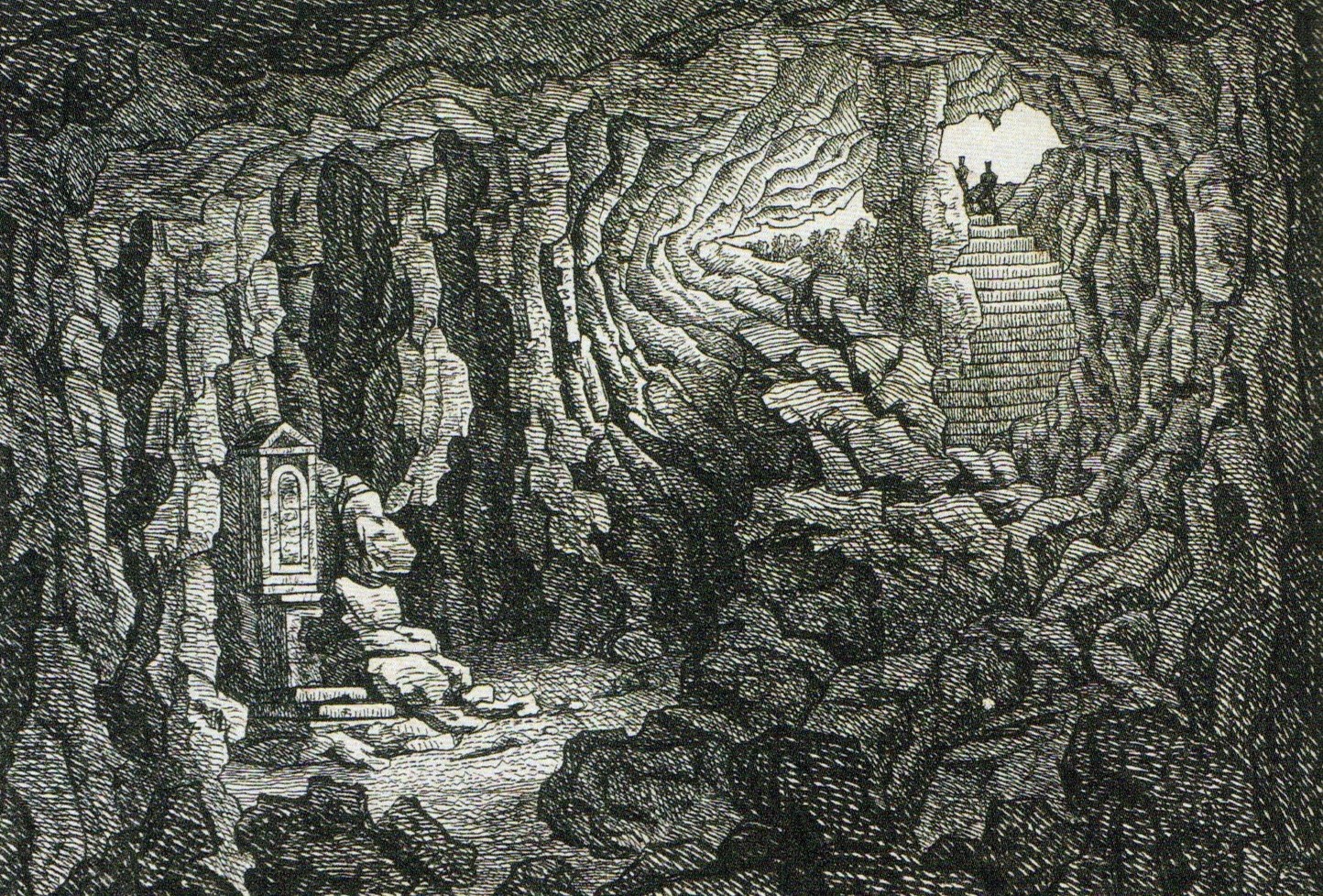 The Underground Church Inside the Cave
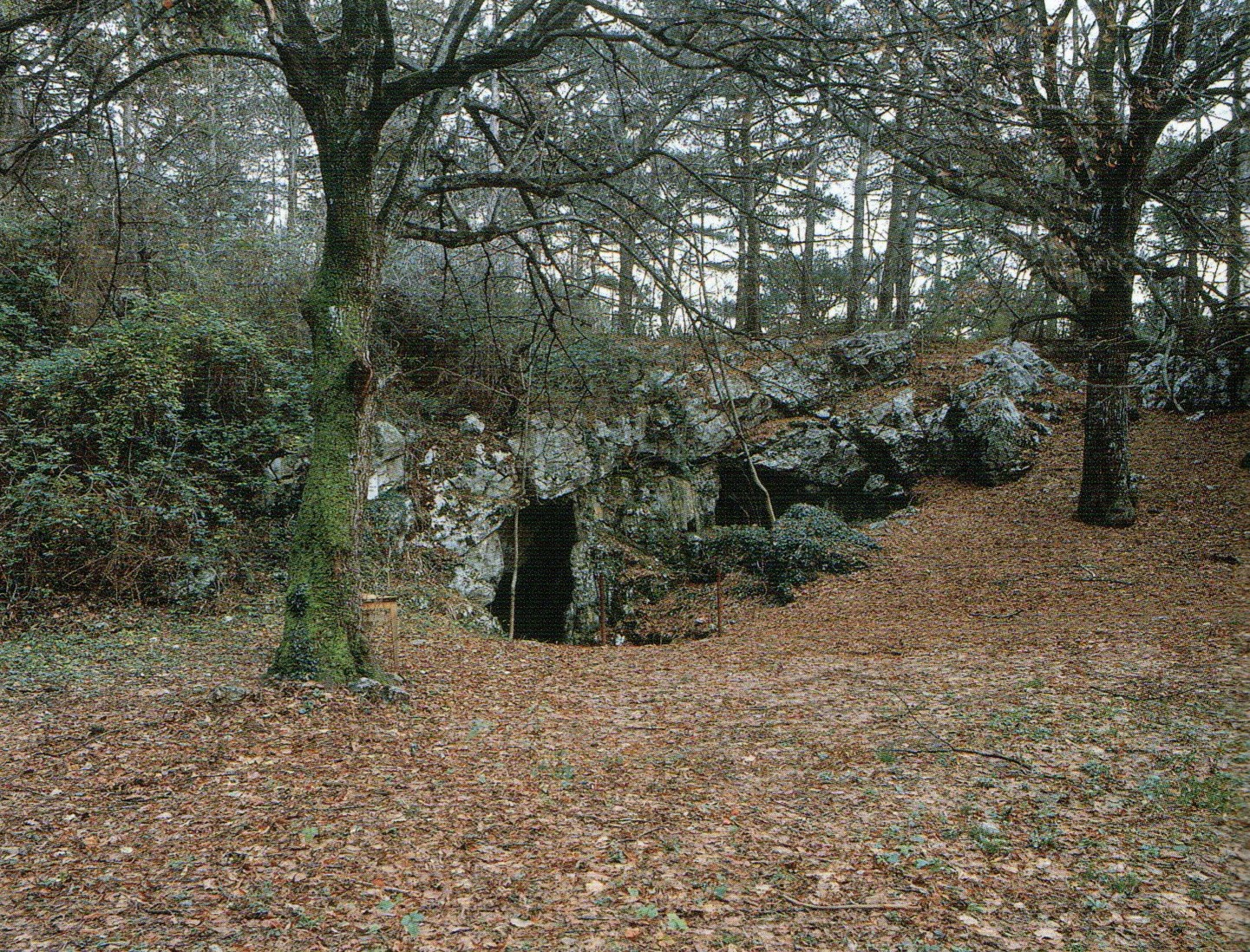 Entrance to the Holy Cave
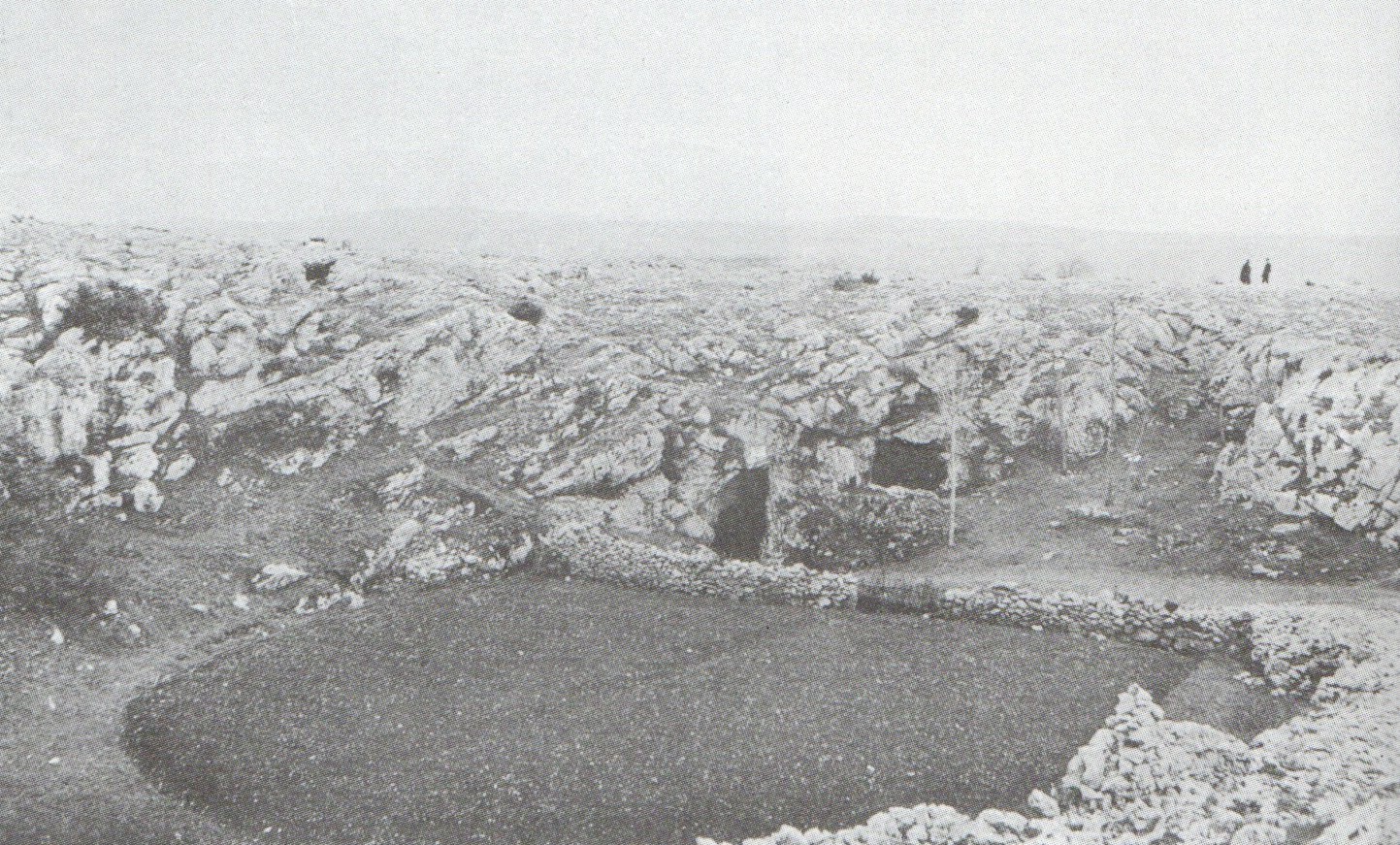 Entrance to the Holy Cave in 1911
The entrance to the Holy Cave lies in a pine forest, about 150 meters from Socerb Castle, along the Slovenian Alpine transversal trail.
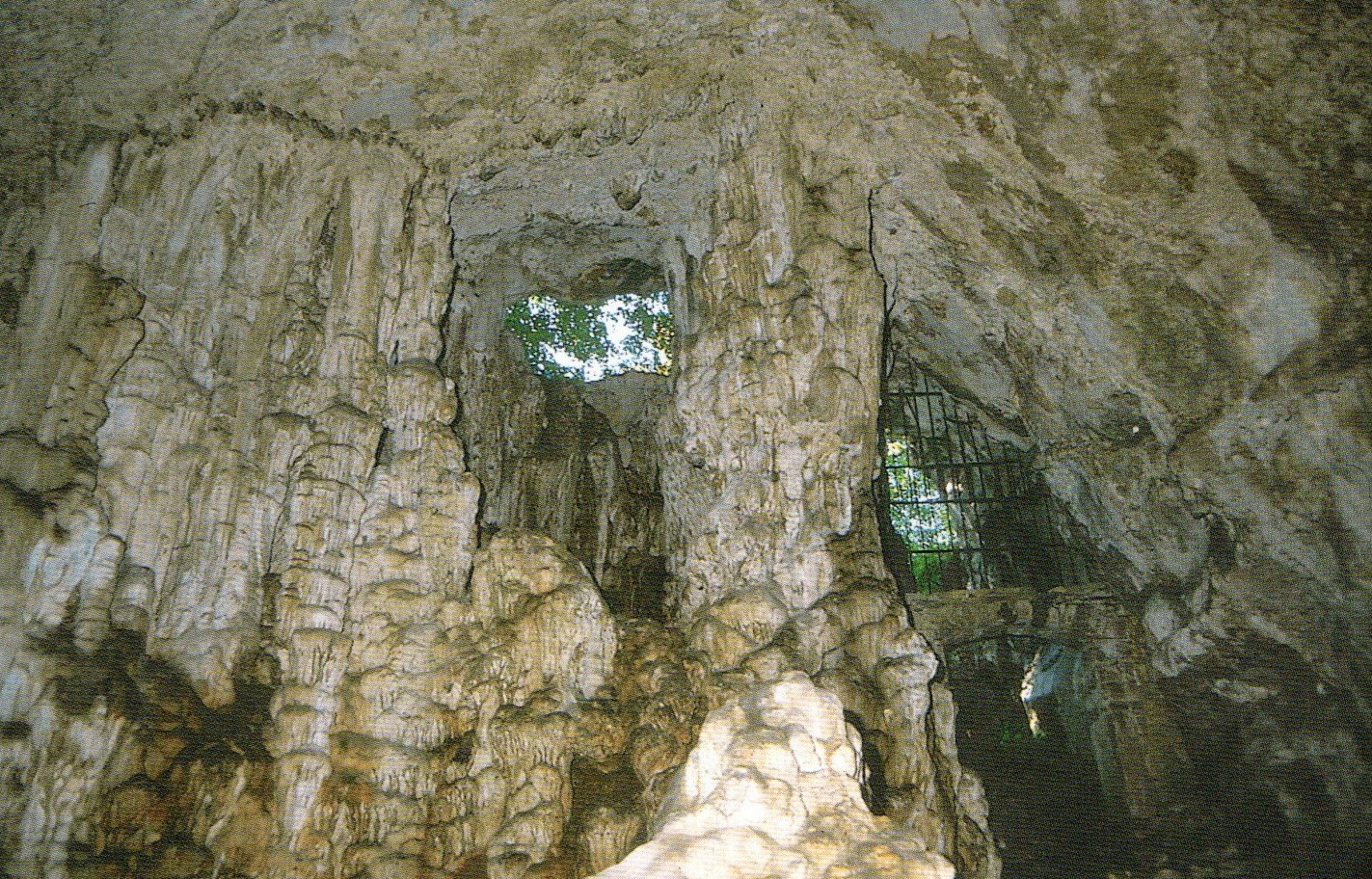 Inside, looking back toward the entrance gate and the natural window
Being in the only underground church in Slovenia is made evident by the holy‑water font carved into a stalagmite and the steps above it leading to the choir loft. Of the altar, described as richly decorated in the 17th‑century style only the steps remain today. Valvasor, in his monograph on the Duchy of Carniola, already describes the legend of a young man who sought refuge from persecutors in the underground for nearly two years. The story refers to a saint of the Roman Catholic Church, Saint Socerb, the protector of the city of Trieste. The ancient Romans tortured him and beheaded him on 24 May 284 A.D. The text also mentions a small basin with miraculous water located behind a stalagmite pillar.
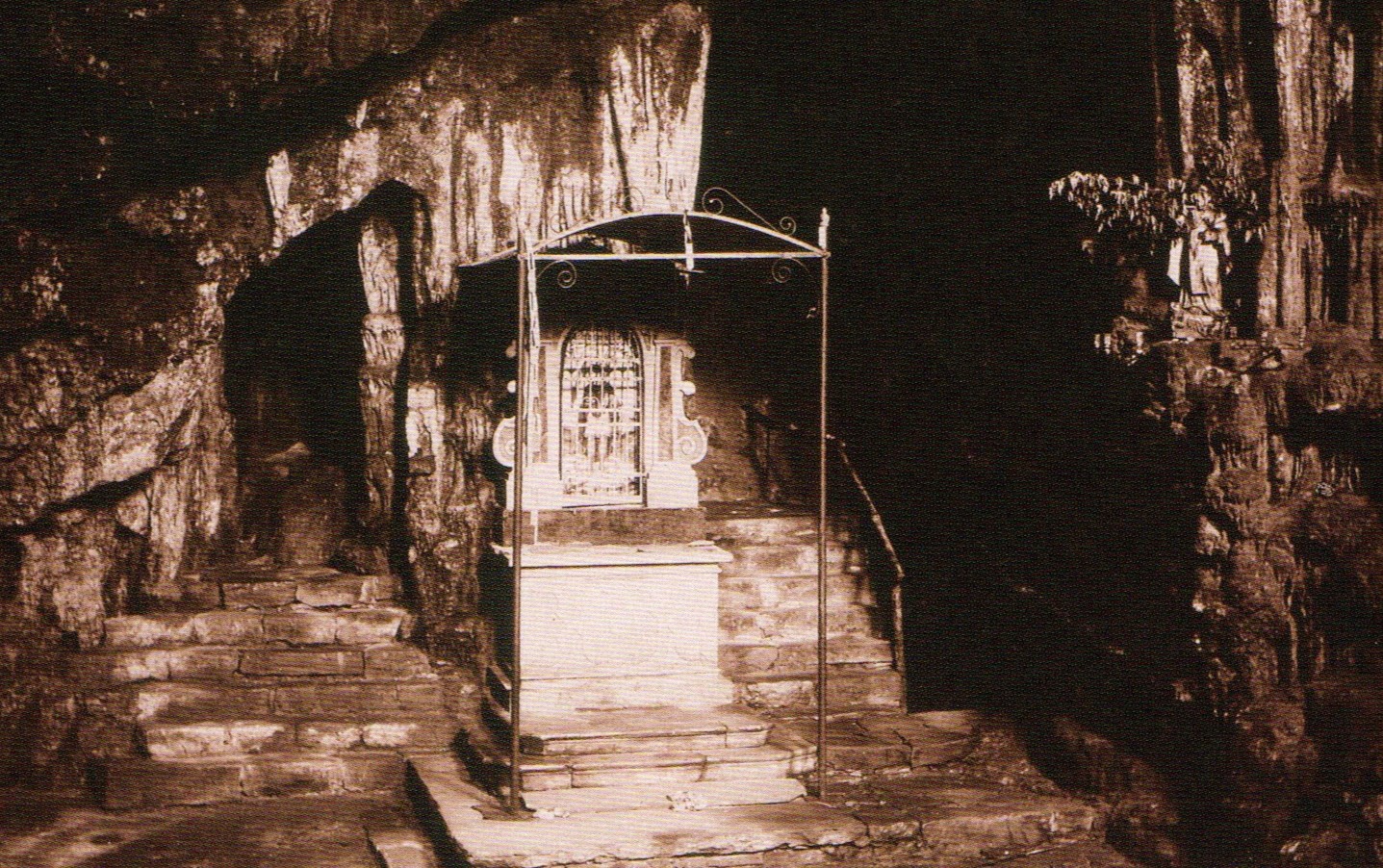 17th‑century altar
From the entrance hall, the stairs lead past broken stalagmites and old inscriptions on the wall toward the wine cellar. The same historical source states that Count Petač had it arranged. Since it was considered improper to desecrate a holy place in such a way, the wine immediately turned sour, so today only the door remains as a reminder of this act.
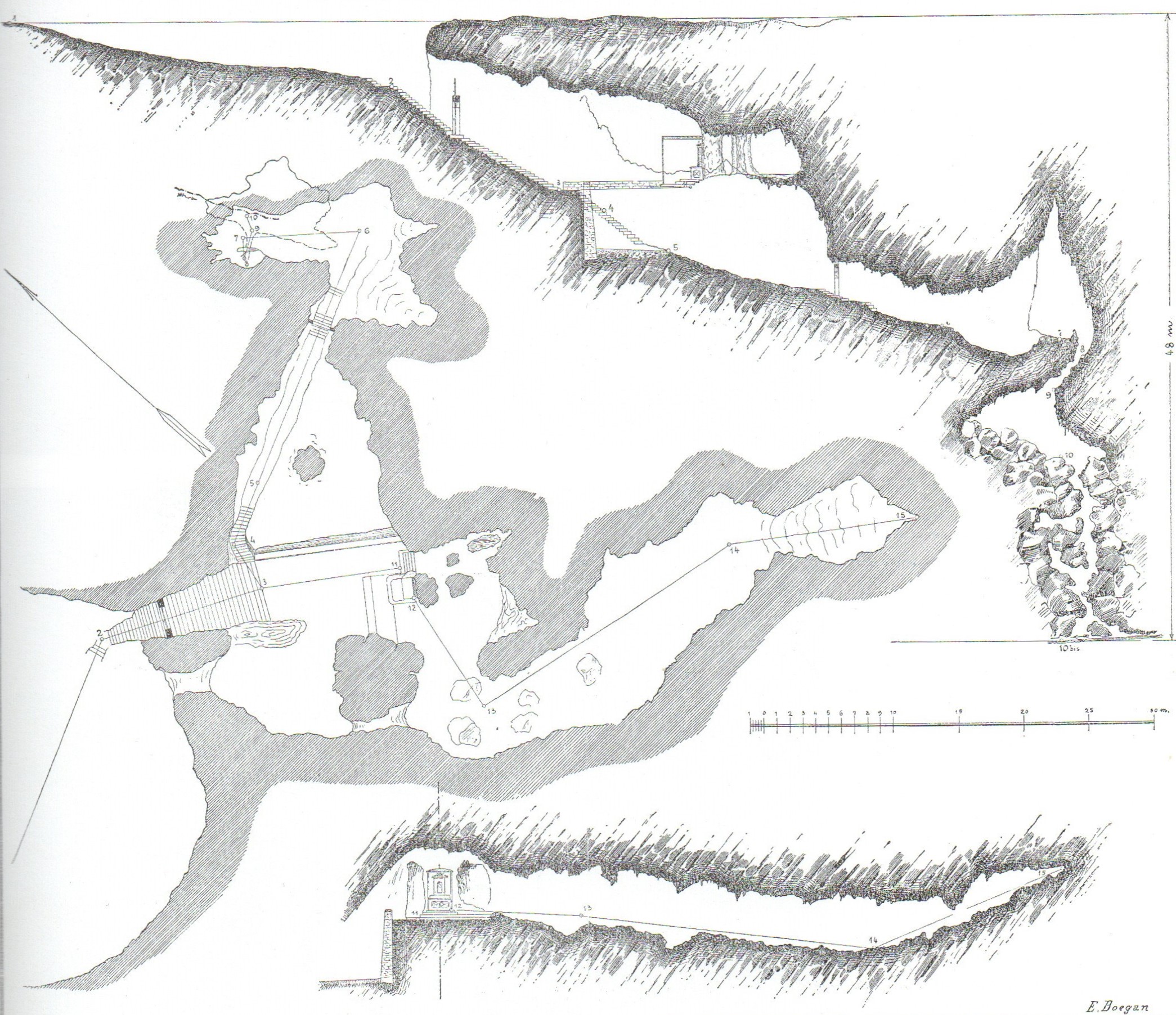 Map of the Holy Cave from 1911
Researchers descended another 20 meters from this point, making the cave 44 meters deep and 200 meters long. At its bottom they encountered a stream, and tracing tests showed that its water flows toward the springs in Dolina. Flowing water warms the cave air, whose temperature drops below freezing in winter, because this karst cavity is shaped like an ice cave. This is also indicated by the “wrinkled” ceiling above the entrance door, which is the result of corrosion caused by condensed moisture at the contact between cold cave air and warm outside air.
Ducaini – Coat of Arms and the Legend of St. Socerb
The noble Ducaini (De Cani) family of Koper were the castellans of Socerb Castle between 1480 and 1509. Their coat of arms preserves the memory of St. Socerb, who—according to tradition—killed a snake in the cave beneath the castle with his breath; for this reason, the central motif of the coat of arms is a hand holding a snake. After Socerb came under Habsburg rule in 1509, the family lost its most important estate, and the Koper branch died out in 1609.
Ruins of Socerb Castle. The exact time of the castle’s construction is unknown, but traces of older structures in its surroundings indicate a very ancient origin, although later reconstructions are also visible. In the 14th century the castle came under Venetian rule and became the property of the Ducaini family. In 1413 the Venetians further strengthened its defensive capabilities. In 1509 Count Krištof Frankopan captured it for the emperor, and it remained under Habsburg rule thereafter. A ruling of the Tridentine tribunal from 1535, which demanded that the castle be returned to the Venetians or to the Ducaini (De Cani) family, had no effect.
You can learn all this and more every Sunday at 14:00, when cave guides members of the Dimnice Caving Society of Koper, the official caretaker of the cave lead visitors into the saint’s refuge. We are available at tel. 031 625 004 or via our email: info@dimnice.si.